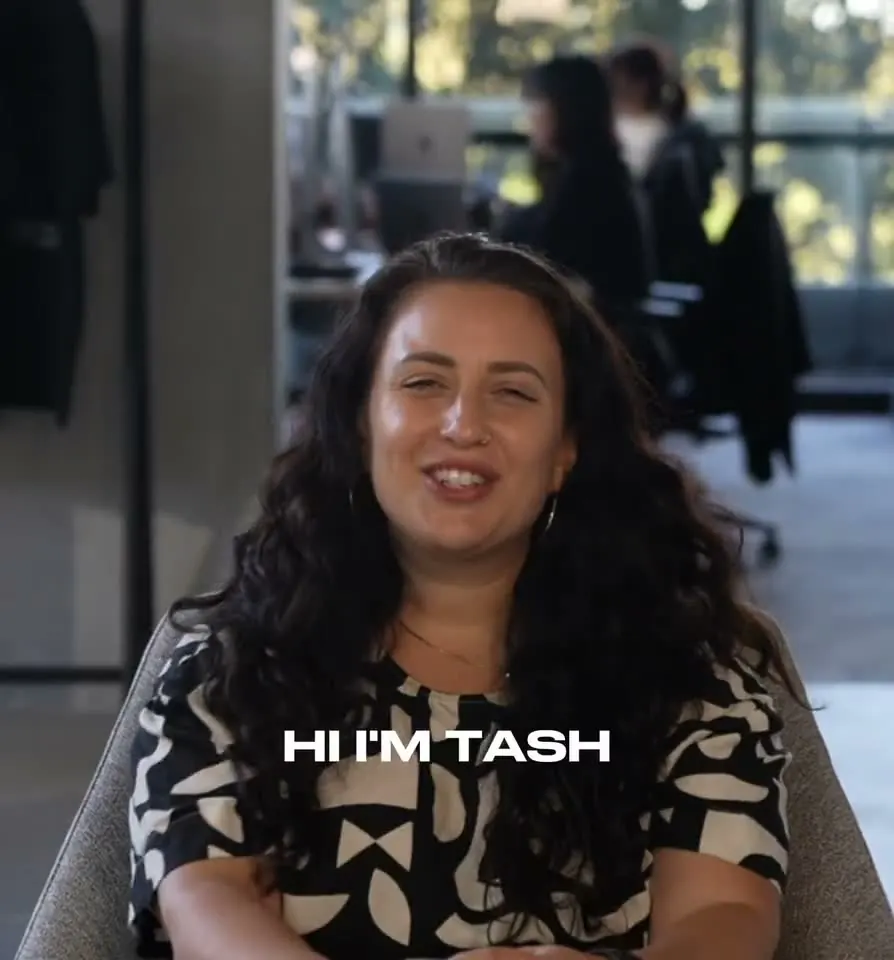
“No really, I never thought we could ever have such an awesome website. I would see other brands and go, how did they do that. Now I know how: work with an awesome agency like Refract.”
 JevonFounder and CEO, Keeyu
Web
Website strategy, copy, design and development for technical companies and growing businesses. We build sites that help buyers understand the product, find the evidence and know what to do next.
















A sitemap with a brief for each page type, the copy where we write it, a design system, the built site, training for the people who will edit it and a redirect list for old addresses. You own all of it.
A website project starts from $15,000, with scope and price agreed first. A one-week growth audit, for teams that want to try us first, is $2,500, credited in full if a project starts within 60 days. A monthly retainer for ongoing work costs from $10,000 to $30,000.
Four to eight weeks covers most of the websites we build, and a first piece of work is one week. The length depends on how many page types there are, how quickly copy is approved and how much existing content has to move.
We are the wrong choice for one landing page needed next week as cheaply as possible. A rebuild is also the wrong move while your offer still changes month to month, or when the site reads well and too few people find it.
Narrower pieces of this work, each one you can start with.
“No really, I never thought we could ever have such an awesome website. I would see other brands and go, how did they do that. Now I know how: work with an awesome agency like Refract.”
JevonFounder and CEO, KeeyuVideo testimonial from Natasha Ritz, VP of Customer, Chirp.
 Natasha RitzVP of Customer, Chirp
“We love our new look and website. Thanks so much, your team smashed it.”
 PollyMarketing Specialist, Kaizn
“Love your work Team Refract. From the very first connection, you guys have been sparky and contemporary in your approach. I feel we're nicely walking that tightrope of pragmatism and creative cut through. Most of all...it's fun! THANK YOU for the journey travelled so far!”
 AndyVP Marketing, Morse Micro
Review the existing pages, audiences, search data and enquiries. Identify what to retain and what needs to change.
Develop the page hierarchy, core explanations, proof and next actions on real content.
Create the page system and implement it in the agreed stack and publishing workflow.
Check mobile layouts, accessibility, forms, redirects and search essentials before and after launch.
We’ll want to see the current site, and to hear which audience you most need to reach and what commercial problem the site should solve.
A prioritised review of structure, messaging, user journeys and technical search issues.
Strategy, copy, design and development scoped around the pages and integrations you need.
A continuing programme of content and site improvements informed by search, usage and enquiries.
Yes. We review the brand assets, platform and publishing needs before recommending changes. Keeping a capable platform or an established identity can be the right decision.
Copy can be included in the scope. We work with the people who know the product and use approved claims, customer language and relevant evidence.
We agree the publishing workflow upfront. That may include CMS templates for recurring content, with training and documentation for the people maintaining it.
We inventory valuable URLs, plan redirects and check canonicals, indexability, content and internal links. We also monitor after launch. These steps manage migration risk; they cannot guarantee that rankings will stay unchanged.
The page system, content work, integrations, publishing requirements and migration complexity. We agree those boundaries and the price before the project starts. Websites start from $15,000.
Most website builds take four to eight weeks. The length depends on the page system, content work, integrations and migration complexity. We agree the scope and the timeline before we start.
Three ways. A website audit is a prioritised review of structure, messaging, user journeys and technical search issues. A website project covers strategy, copy, design and development, scoped around the pages and integrations you need. Ongoing website improvement is a continuing programme of content and site changes. The audit and the project have their scope and price agreed upfront.
Yes. Our studio is in Sydney, and we design and build websites for technical companies. For Morse Micro, a Series C semiconductor company, we did the website strategy, the structure, the design system and the build. For Trusst AI, which had raised a seed round, and Kaizn, which was bootstrapped, the work was the brand identity and the website. Our usual client has raised a seed or Series A round.
Any platform, and we prefer custom code in Next.js or Nuxt. This website runs on Nuxt and is hosted on Vercel, and the site we built for Morse Micro is in Webflow. We choose after asking who will edit the site, how much you will publish, what it has to connect to and how soon it must be live. If marketers will publish every week with no developer nearby, a visual builder is often the better fit, and we will say so.
We give each audience a task and test the sitemap against it. Morse Micro’s website had to work for engineers, partners, investors, customers and prospective hires. Engineers were the most important audience and needed fast access to specifications, comparisons and documentation, and every other audience still had its own route. The top level was simplified to Products, Applications, Support and Company, with search kept persistent for people who already knew what they wanted.
We need one person who can approve a page and has the last word. We need time with the people who know the product, because they check every technical claim. We also ask for the current site, its search data and recent enquiries. Tell us which customer names and case studies you are cleared to use, and name someone who will own the site after launch. On our side you talk to the designers and developers doing the work.
You own all of it: the design files, the code, the content and the documentation, kept in accounts your company controls. After launch you choose. In a handover we train the people who will edit the site and leave written notes on publishing and upkeep. If you want us to stay, a monthly team keeps improving the site alongside content and search, from $10,000 to $30,000 a month.
Send us the link and tell us which visitor leaves without an answer.
Most teams start with a call, then a sprint or an audit.








The people you’d work with, from the first call to launch