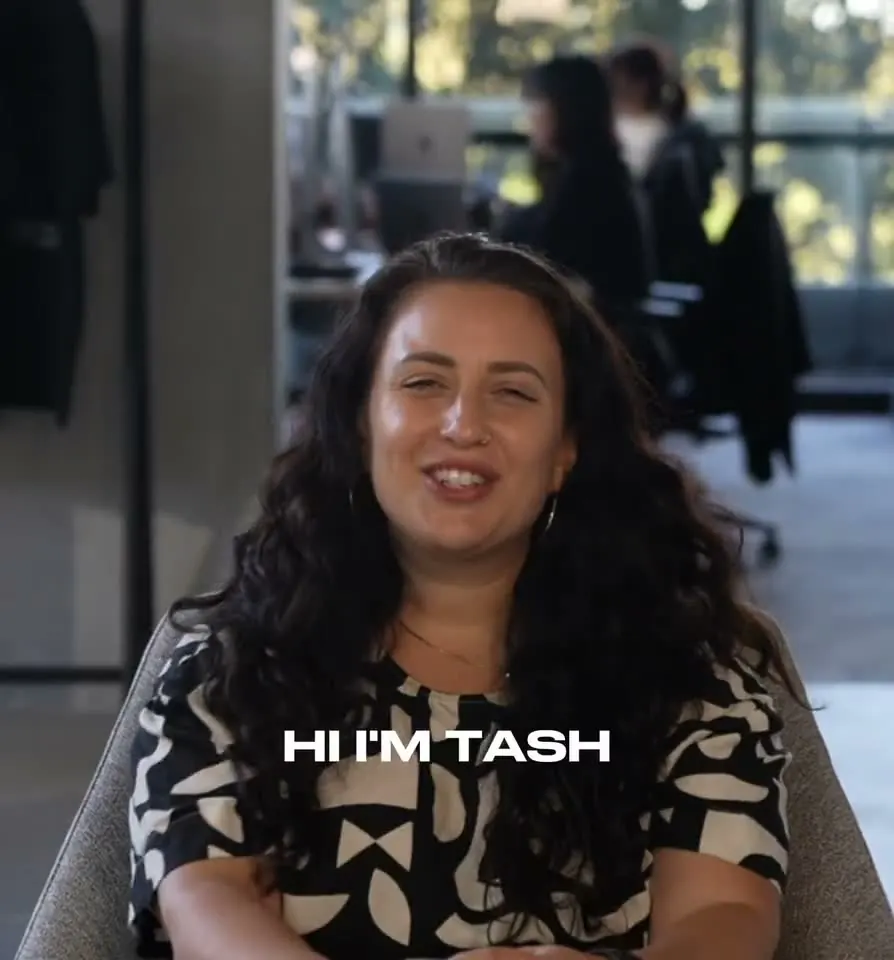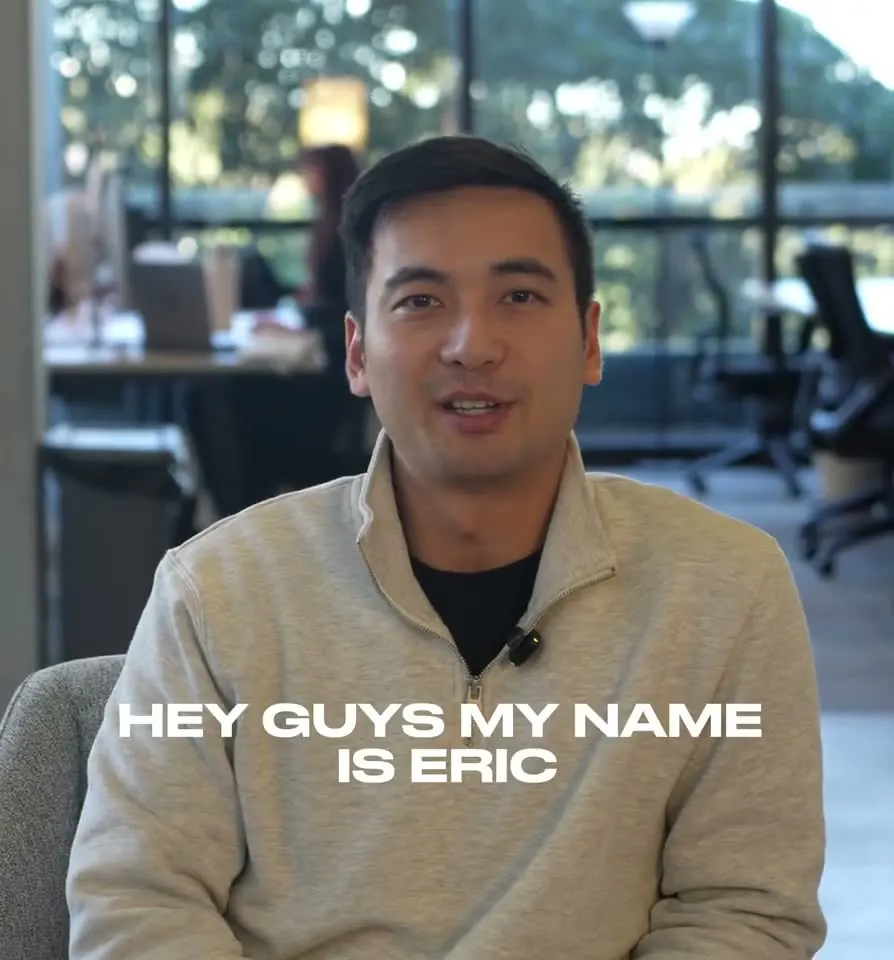
Video testimonial from Eric Fan, Founder and CEO, Lumos.
 Eric FanFounder and CEO, Lumos
Refract Group2026
Technical companies tend to have precise documentation for people who already use the product, and not much for anyone else. We build the website, the brand and the search work for everyone else. Our studio is in Sydney, Australia, and we work between Sydney and New York.
Where we stand on technical websites.
Start with the problem and who has it, in the words the buyer already uses. The specification goes one click further down.
Before a page goes live, read it as each of your four readers and check these.
“The intelligent platform for modern operations” could describe a thousand companies.
And a buyer should never have to wade through one to find out what the product is for.
So every claim on the page should be one the reader could check. A number without its test conditions reads as marketing.
Trying to serve all four in one hero paragraph is how sites end up saying nothing. Pick a reader and follow them.
Sitemap
Engineers want
How it works, what it connects to and where the limits are.
They leave the moment they sense vagueness.
Test the site with
“Find the evaluation kit for this product.”
A simplified sitemap, after the one we built for Morse Micro. See the process
We look at how people find you, what they read when they land, and where they leave. You come away knowing what to fix first, and why.
Find
A map of where your attention comes from
Read
The pages and lines that lose people
Fix
A ranked list of fixes, the first ones drafted
Plan
A search and content plan, yours to keep
Video testimonial from Eric Fan, Founder and CEO, Lumos.
Eric FanFounder and CEO, Lumos“Love your work Team Refract. From the very first connection, you guys have been sparky and contemporary in your approach. I feel we're nicely walking that tightrope of pragmatism and creative cut through. Most of all...it's fun! THANK YOU for the journey travelled so far!”
 AndyVP Marketing, Morse Micro
Video testimonial from Helen Murdoch, Founder, DoughPro.
 Helen MurdochFounder, DoughPro
“Super proud of the vision, energy & distinctive taste that went into bringing our refreshed brand to life.”
 SejalGTM Lead, Trusst AI
Video testimonial from Natasha Ritz, VP of Customer, Chirp.
 Natasha RitzVP of Customer, Chirp
“Refract has killed it again. We call your team FEDEX because you always deliver!!”
 RohithCOO, Managed
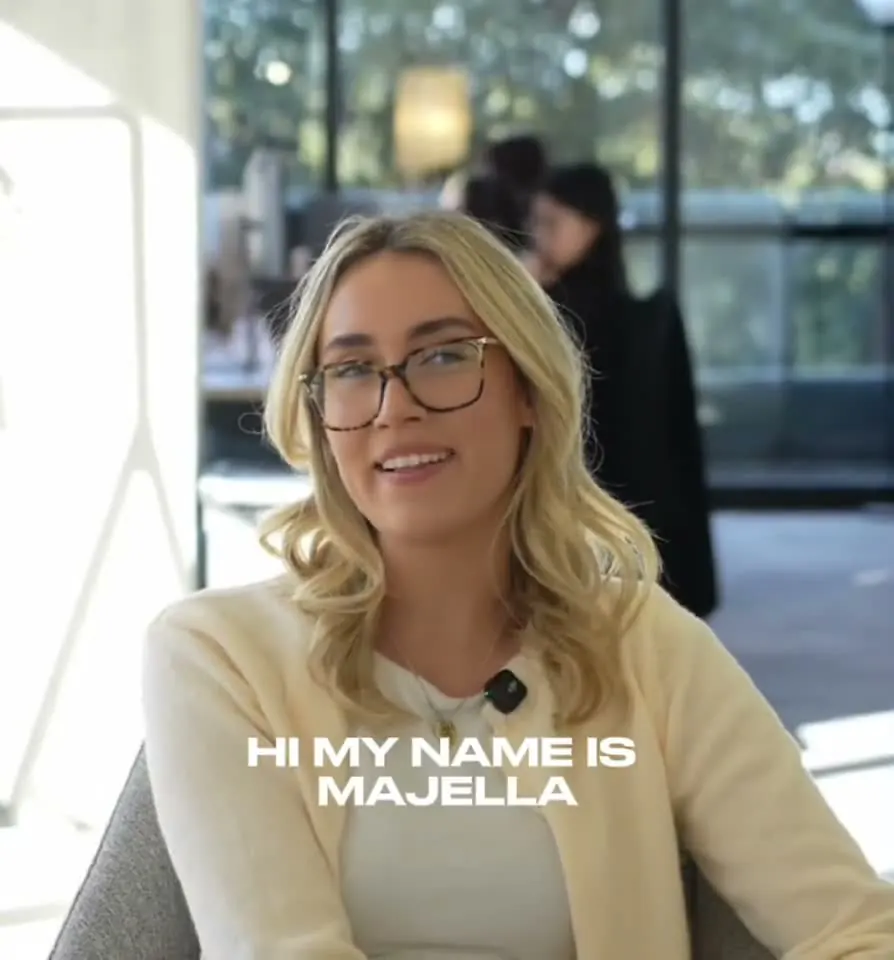
Video testimonial from Majella Campbell, Former CEO, Fishburners.
 Majella CampbellFormer CEO, Fishburners
“No really, I never thought we could ever have such an awesome website. I would see other brands and go, how did they do that. Now I know how: work with an awesome agency like Refract.”
 JevonFounder and CEO, Keeyu
Yes. Refract is a studio in Sydney, Australia, and we do brand identity, websites and search work for technical companies. For Morse Micro, a Series C semiconductor company, we ran the website strategy, information architecture, design system and build. Our brand identity work includes Mono AI, which builds production AI systems, and Trusst AI, which runs an automated CX platform for large organisations.
Yes. We redesigned and restructured the website of Morse Micro, a Series C semiconductor company: the strategy, information architecture, design system and build, in Webflow. The site explains a technically complex product range to engineers, partners, investors, customers and prospective hires, under four top-level sections: Products, Applications, Support and Company.
Different routes for different readers. Engineers, commercial buyers and investors are all looking for different things, so each needs a way to get to theirs. We lead with a plain claim, put the proof under it and keep the specification one click away.
Enough to explain it, yes. On Morse Micro we began with a workshop at their office and sessions with people across the business, from engineering and documentation to marketing and investor readiness. Your engineers still decide what the specification says. We work on how it’s explained.
Yes. Our SEO, AEO and GEO work covers search audits, content, website improvements and reporting tied to qualified enquiries. We don’t guarantee rankings or citations, and nobody honestly can.
Tell us what you’ve built and who needs to understand it.
Most teams start with a call, then a sprint or an audit.








The people you’d work with, from the first call to launch