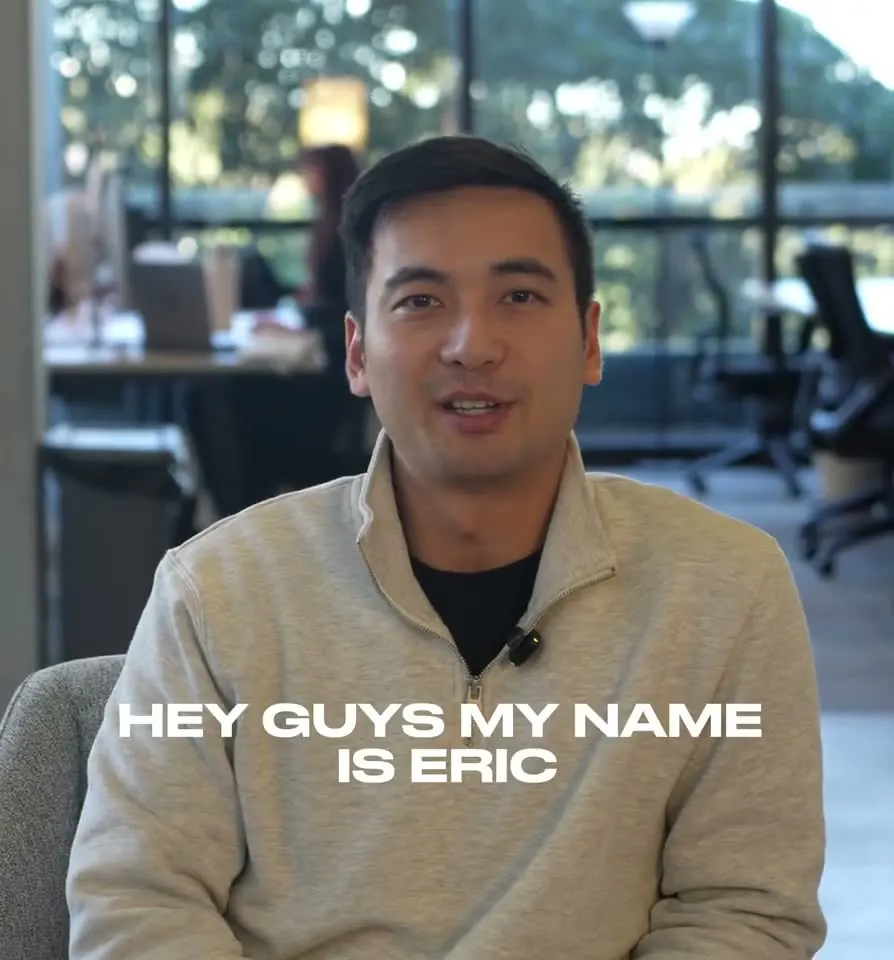
Video testimonial from Eric Fan, Founder and CEO, Lumos.
 Eric FanFounder and CEO, Lumos
Refract Group2026
A lot of our product work is on software that got complicated for good reasons. We work from the product itself, sometimes inside the client’s team, and the same people do the brand and the website. Our studio is in Sydney, Australia, and we work between Sydney and New York.
Complex software has to show people where they are, what has happened and what they can do next. Simplifying starts there.
A progress indicator earns its space when it answers something the person needs to know.
A useful finding names the problem: invited users reach an empty workspace without knowing how to request access.
Analytics can show a drop between two steps without telling you why people left. Record both, then find out.
One problem, a fixed length, and a working prototype in front of your users at the end. If it’s worth building, you’ll know. If it isn’t, you’ll know that cheaper.
Audit
An audit of the product or flow as it is
Prototype
A clickable prototype of the fix
Test
What your users did with it, in their words
Plan
A build plan and estimate, yours to keep
Video testimonial from Eric Fan, Founder and CEO, Lumos.
Eric FanFounder and CEO, Lumos“No really, I never thought we could ever have such an awesome website. I would see other brands and go, how did they do that. Now I know how: work with an awesome agency like Refract.”
 JevonFounder and CEO, Keeyu
Video testimonial from Helen Murdoch, Founder, DoughPro.
 Helen MurdochFounder, DoughPro
“Refract has killed it again. We call your team FEDEX because you always deliver!!”
 RohithCOO, Managed
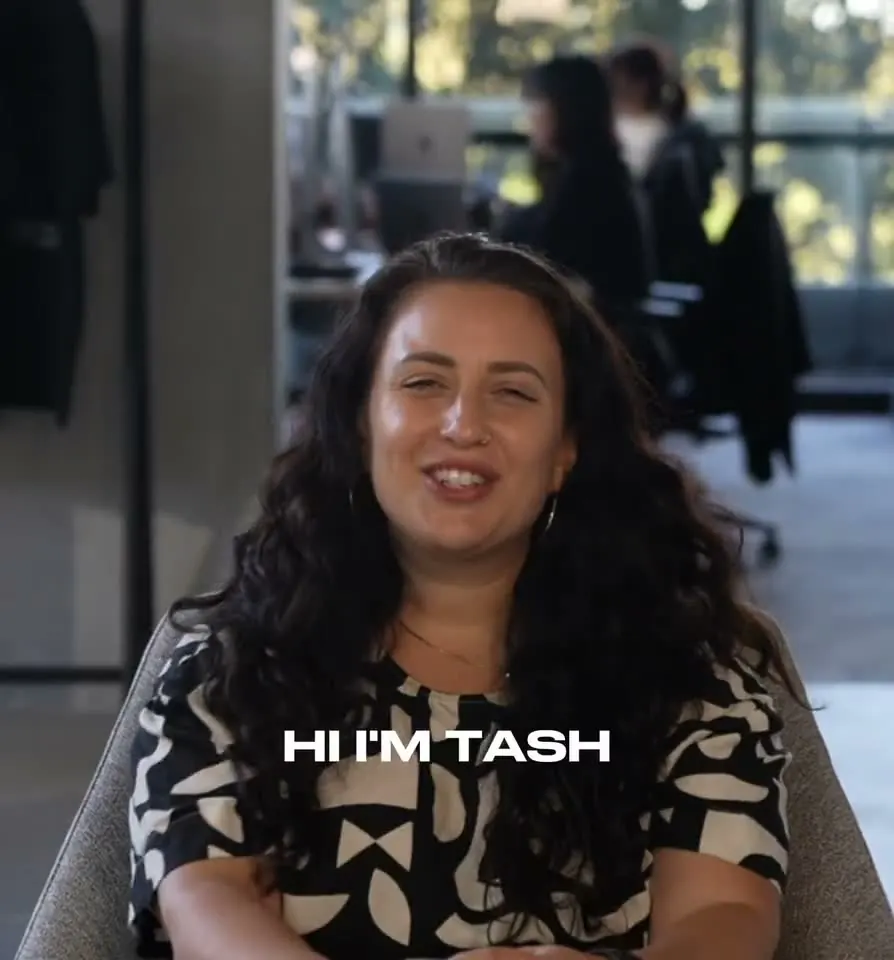
Video testimonial from Natasha Ritz, VP of Customer, Chirp.
 Natasha RitzVP of Customer, Chirp
“We love our new look and website. Thanks so much, your team smashed it.”
 PollyMarketing Specialist, Kaizn
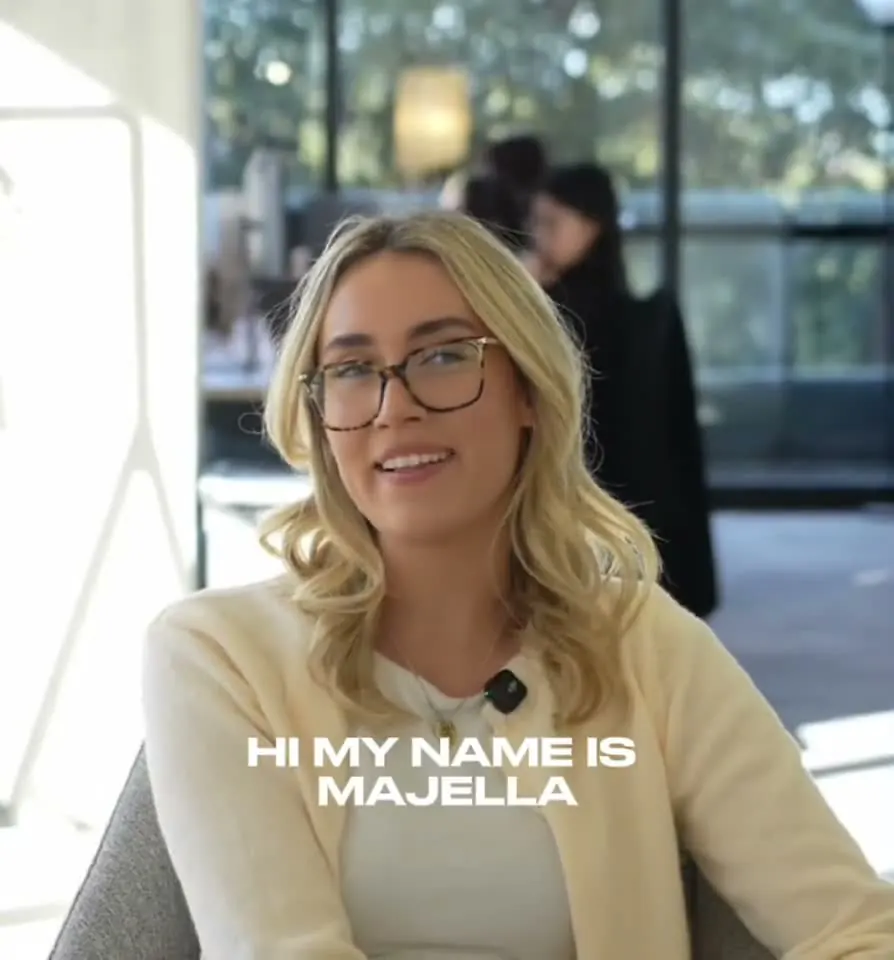
Video testimonial from Majella Campbell, Former CEO, Fishburners.
 Majella CampbellFormer CEO, Fishburners
“Super proud of the vision, energy & distinctive taste that went into bringing our refreshed brand to life.”
 SejalGTM Lead, Trusst AI
Yes. Refract is a studio in Sydney, Australia, and we design B2B software. For Keeyu, which had raised its pre-seed round when we started, we designed the product from inside the team and built its design system. For Lumos and Managed, both at seed stage, we designed the product and built the design system. For Atrium, a pre-seed CRM for founders and salespeople, we refreshed the interface across the platform and built its design system. Product design starts from $10,000 a month.
Yes. At Keeyu we were embedded in the product team and designed from the real product. We began in their staging environment and worked in weekly sessions with their product and engineering team. An embedded team costs from $10,000 to $30,000 a month.
Yes. The same team does product design, brand and the website. Our work with Keeyu covered product, web and motion.
With a small first piece of work, so you can see how we work before a bigger scope. Often that’s a UX audit or a product sprint. A sprint takes one problem, puts a working prototype in front of your users and ends with a plan for what to build next. On Lumos we began by auditing the planning and buying tool screen by screen.
Yes. Atrium’s product worked, but it had grown one component at a time and the small inconsistencies had added up. We audited the whole interface, sorted what was there into reusable parts and built shared patterns that carry their interaction states. We also built the design systems for Keeyu, Lumos and Managed, in code.
Tell us what it does and where people get stuck.
Most teams start with a call, then a sprint or an audit.








The people you’d work with, from the first call to launch