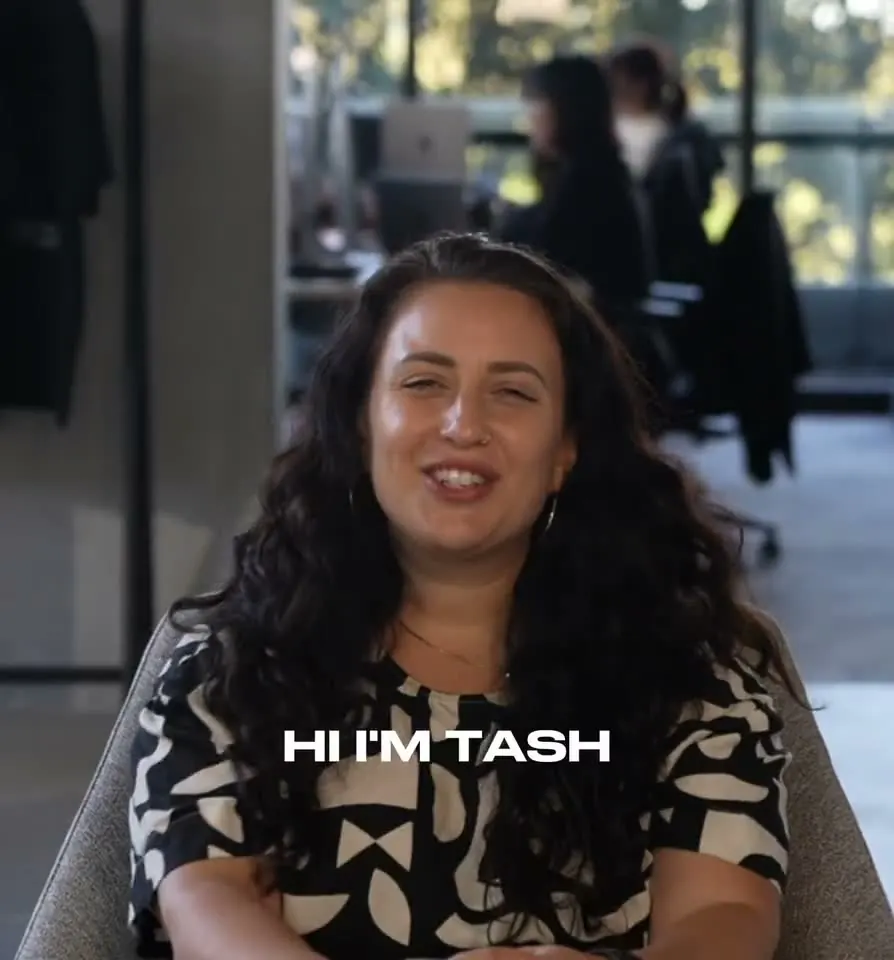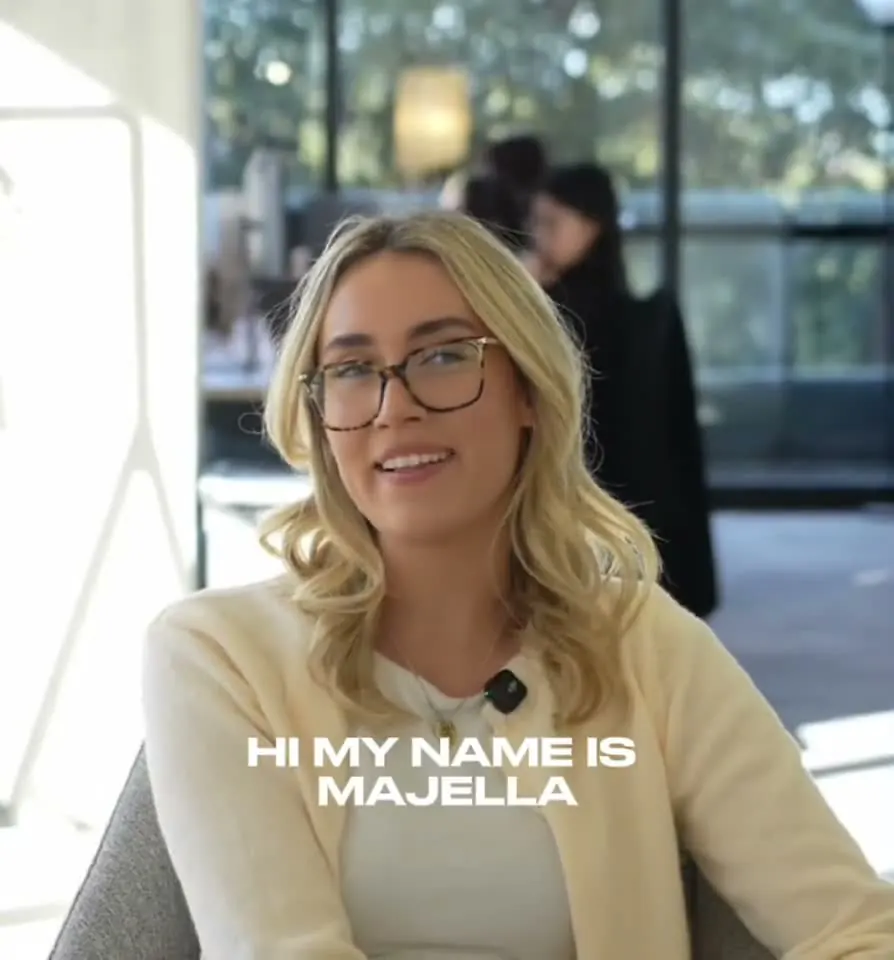
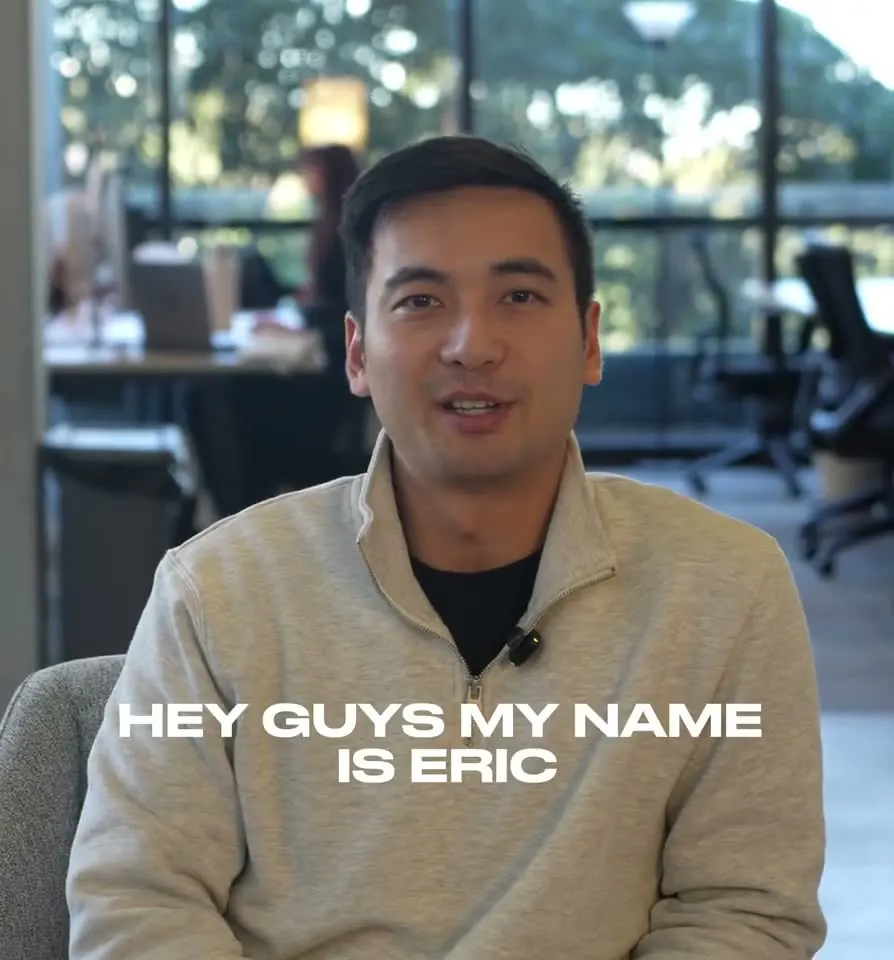
Video testimonial from Eric Fan, Founder and CEO, Lumos.
 Eric FanFounder and CEO, Lumos
Refract Group2026
Rebrand
A rebrand goes back to who the company is for and rebuilds the identity from there. Scope, price and dates are settled with you first. A brand project costs from $15,000 to $100,000 or more.














A position in writing and an identity built as a system: the mark, colour, type, layouts and guidelines. Where they are in scope, your site, sales material and templates are rebuilt in it. You own every file.
A brand project costs from $15,000 to $100,000 or more. A sharpened story is at one end and a new name, identity and system at the other. The opening positioning sprint is $2,500, credited in full to a rebrand that begins inside 60 days.
The sprint at the start takes a week. Past that, we set the rebrand’s timeline with you before it starts. The scope, the number of approvers and the number of things carrying the brand all move it.
The company has not changed and only its materials look dated, which calls for a refresh. The buyer you sell to is still unsettled. Or no one person can make the final call on a direction.
One week, $2,500. We hear from your team, some customers and people who went elsewhere, then write down who the company is for.
We go through everything the brand says and does today, and mark what people recognise and what no longer fits the position.
We develop a few identity directions and narrow them to one. A single person on your side, named at the start, makes the final call.
The direction goes into the website, the product, sales material and templates, and we write the guidelines.
The old brand is replaced on a planned date, or in planned stages. Your team is briefed first, then customers hear what has changed.
Video testimonial from Eric Fan, Founder and CEO, Lumos.
Eric FanFounder and CEO, Lumos“Super proud of the vision, energy & distinctive taste that went into bringing our refreshed brand to life.”
 SejalGTM Lead, Trusst AI
Video testimonial from Helen Murdoch, Founder, DoughPro.
 Helen MurdochFounder, DoughPro
“We love our new look and website. Thanks so much, your team smashed it.”
 PollyMarketing Specialist, Kaizn
Video testimonial from Natasha Ritz, VP of Customer, Chirp.
 Natasha RitzVP of Customer, Chirp
Video testimonial from Majella Campbell, Former CEO, Fishburners.
 Majella CampbellFormer CEO, Fishburners
A refresh keeps the position and repairs the identity. It suits a company whose customers understand it but whose materials have aged or drifted apart. A rebrand reopens the position first, because the product or the buyer is no longer the one the brand was made for. The positioning sprint ends with a plan that says which you need.
When the brand no longer describes the company. That tends to follow a pivot, a move to larger customers or a merger, or a first identity the product has outgrown. A raise or a major release gives you a date to launch against. It is too early while your buyer is still unsettled.
Whatever people already recognise you by, where it still fits the position. We name those parts before any design begins. Trusst AI was a seed-stage company when we rebranded it. Its pink came across from the earlier identity, set against clear typography, confident colour and structured layouts. The name usually stays too, because changing it is a separate decision.
A rebrand is priced as a brand project, from $15,000 to $100,000 or more, and you have the figure before we begin. Sharpening the story sits at the low end, and a new name, identity and system at the high end. It opens with a positioning sprint at $2,500, and we take that sum off the rebrand if you go ahead inside 60 days.
No single length applies, so we agree a timeline with you before the project starts. The scope moves it most, then the number of people approving each stage and the number of things that carry the brand. Renaming adds time for trade mark searches. The one fixed length is the positioning sprint, at one week.
They change with the brand, and we plan them in from the start. The website is usually the largest piece, so it begins once the identity direction is chosen. Product screens move across at the same time, so a customer never meets two brands in one visit. For Trusst AI and for Kaizn, the website was part of the work alongside the identity.
Treat the switch as its own piece of planning. Pick a date with a reason behind it, list every place the old brand appears and give each one an owner. Brief your team before anyone outside hears, then tell customers what is different and what is the same. We plan the launch with you as part of the project.
A written position, an identity system and the things your team uses, remade in it. The system is the mark, colour, type and layouts, with guidelines that explain each choice. Which applications are included, usually the site, sales material and templates, is settled in the scope. Everything we make for you is yours.
A single decision-maker, the brand as it stands and access to a few customers. Send the current guidelines if any exist, with a deck, the website and a product screen. We agree at the start who decides, who is consulted and who is kept informed.
Yes, from our studio in Sydney. We work between Sydney and New York. Trusst AI, which runs an automated CX platform for large organisations, was a seed-stage company when we rebranded it, and the system now covers its product, sales, marketing and site. Kaizn, a bootstrapped company that supplies and develops software for contact centres, has a new look and website from us.
Send us the brand as it stands and a line on how the company has changed since it was made.
Most teams start with a call, then a sprint or an audit.








The people you’d work with, from the first call to launch