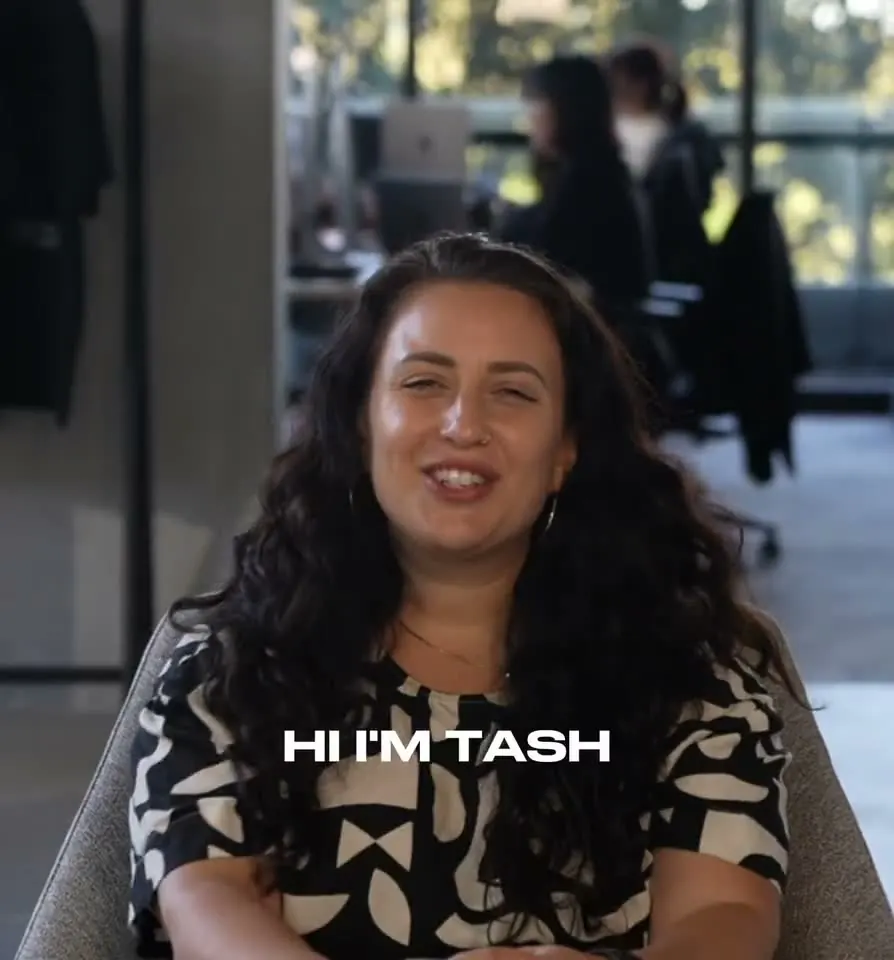
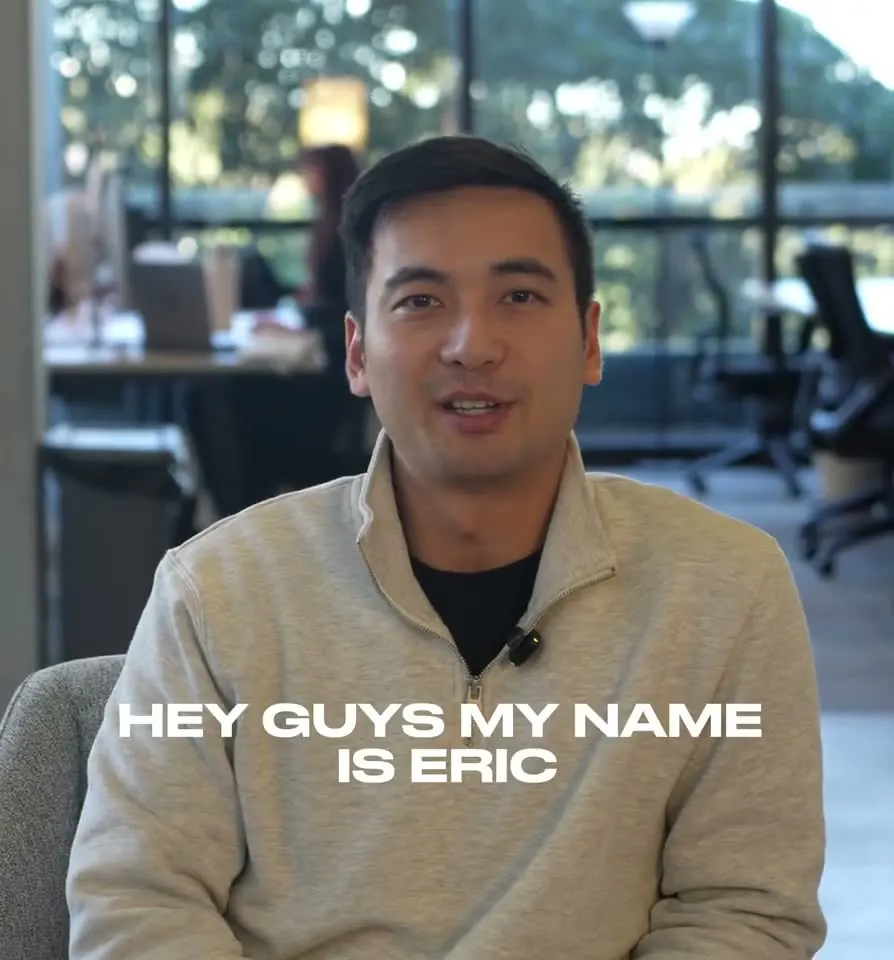
Video testimonial from Eric Fan, Founder and CEO, Lumos.
 Eric FanFounder and CEO, Lumos
Refract Group2026
Lumos plans out-of-home campaigns by audience, and we designed its planning and buying product and built its design system in code. The same team makes paid social creative and runs paid media. Our studio is in Sydney, Australia, and we work between Sydney and New York.
The platform may allocate exposure differently. Where a platform supports an appropriate controlled experiment, use it to make the comparison more interpretable.
There is no universal number of days or conversions that makes every test reliable.
Make the offer, audience and next step understandable. Use the language the visitor encountered in the ad.
Check the result when some items cannot be changed.
One problem, a fixed length, and a working prototype in front of your users at the end. If it’s worth building, you’ll know. If it isn’t, you’ll know that cheaper.
Audit
An audit of the product or flow as it is
Prototype
A clickable prototype of the fix
Test
What your users did with it, in their words
Plan
A build plan and estimate, yours to keep
Video testimonial from Eric Fan, Founder and CEO, Lumos.
Eric FanFounder and CEO, Lumos“No really, I never thought we could ever have such an awesome website. I would see other brands and go, how did they do that. Now I know how: work with an awesome agency like Refract.”
 JevonFounder and CEO, Keeyu
Video testimonial from Helen Murdoch, Founder, DoughPro.
 Helen MurdochFounder, DoughPro
“Refract has killed it again. We call your team FEDEX because you always deliver!!”
 RohithCOO, Managed
Video testimonial from Natasha Ritz, VP of Customer, Chirp.
 Natasha RitzVP of Customer, Chirp
“Love your work Team Refract. From the very first connection, you guys have been sparky and contemporary in your approach. I feel we're nicely walking that tightrope of pragmatism and creative cut through. Most of all...it's fun! THANK YOU for the journey travelled so far!”
 AndyVP Marketing, Morse Micro
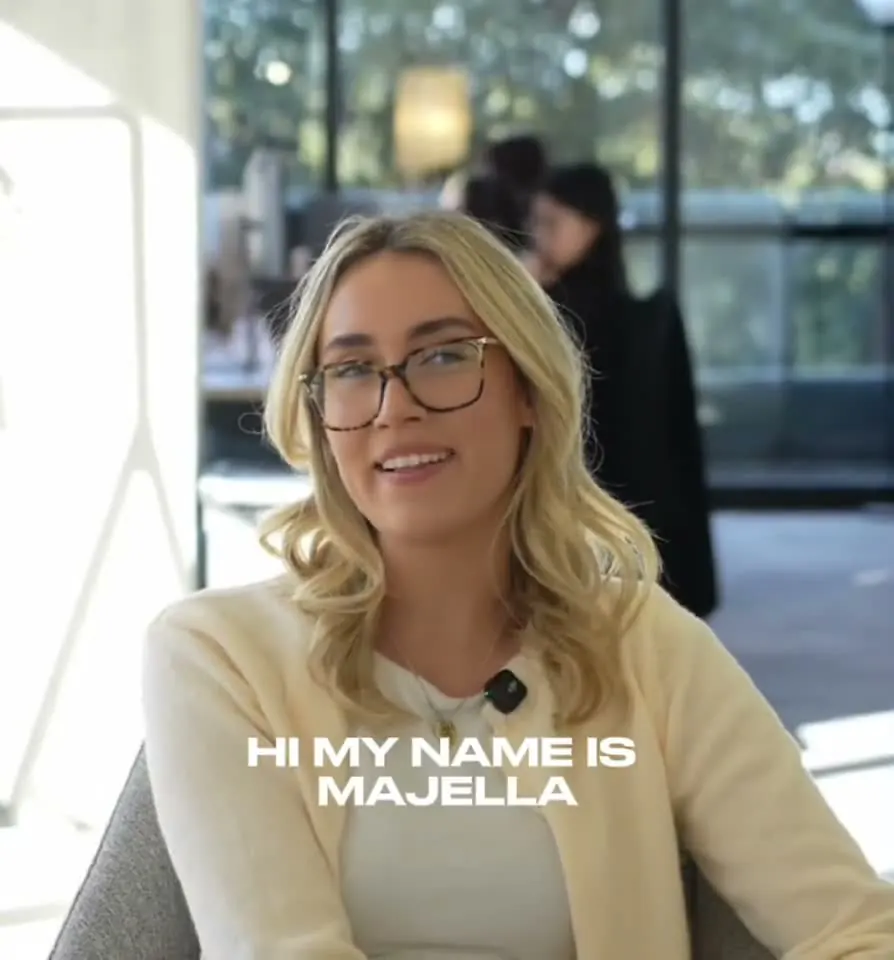
Video testimonial from Majella Campbell, Former CEO, Fishburners.
 Majella CampbellFormer CEO, Fishburners
“Super proud of the vision, energy & distinctive taste that went into bringing our refreshed brand to life.”
 SejalGTM Lead, Trusst AI
Yes. Refract designed the product for Lumos, which plans out-of-home campaigns by audience and had raised its seed round when we started. We designed the planning surface: the asset map, the measurement dashboard, the indexing controls, the scheduler and the reporting table. We also built its design system in code, and Lumos’s engineering team built the product from our specifications.
Yes. Refract is a studio in Sydney, Australia. For Lumos we audited the planning and buying tool screen by screen and spent time with the planners, traders and engineers who ran it. Then we designed the task flows and the screens, and built a reusable component library. Product design starts from $10,000 a month.
Yes. Lumos’s planners work to campaign dates that don’t move, so the new experience had to stay recognisable enough to pick up mid-campaign. Refract went through the product screen by screen, changed what needed it and left the rest alone, and kept hierarchy and interactions familiar from one screen to the next.
Yes. Lumos had just rebranded, and the new identity was warmer and more playful than the product could carry. Alongside the planning and buying redesign, Refract brought the interface up to the new brand.
Refract agrees the flows and the revision process before any screens are drawn. On Lumos, work then moved through set review rounds, so the team could tell a necessary change from a new request and no decision had to be made twice. The changes left at the end were minor.
Yes. Refract makes paid social creative and runs paid media. For Superpower, a Series A health testing company, we built a paid social creative system: a library of short-form ads, each built from parts of its real product UI so they can be recombined for new angles.
Tell us who plans with it and where they slow down.
Most teams start with a call, then a sprint or an audit.








The people you’d work with, from the first call to launch