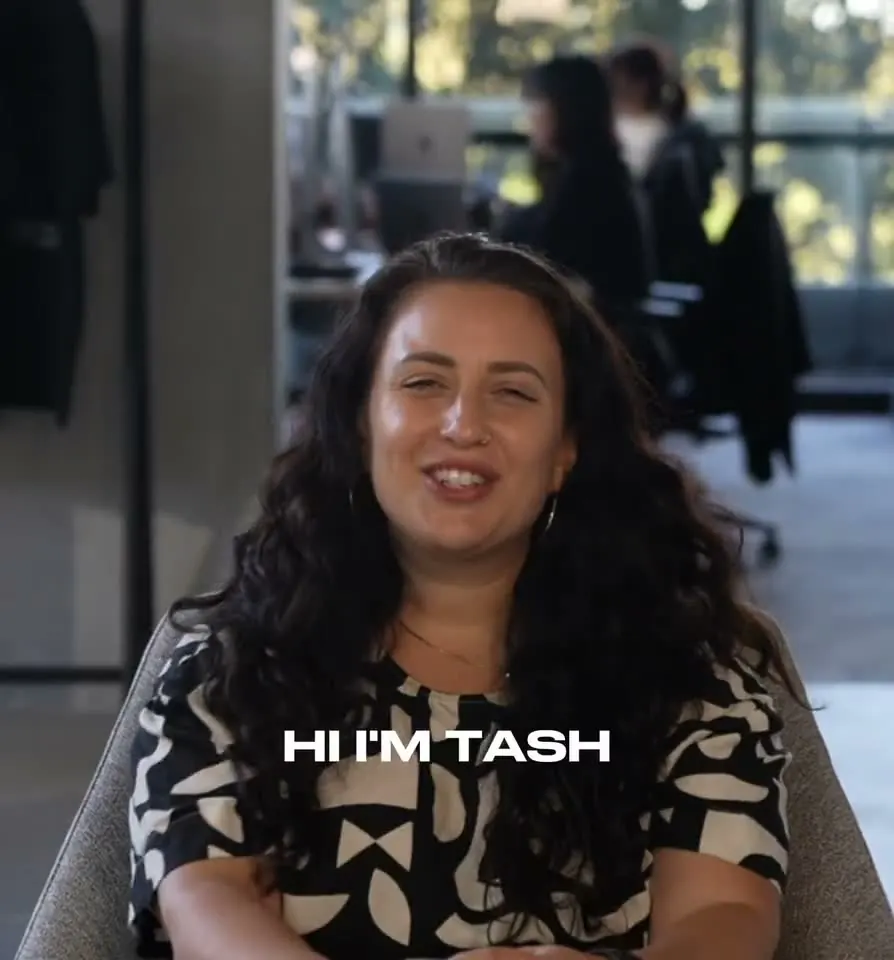
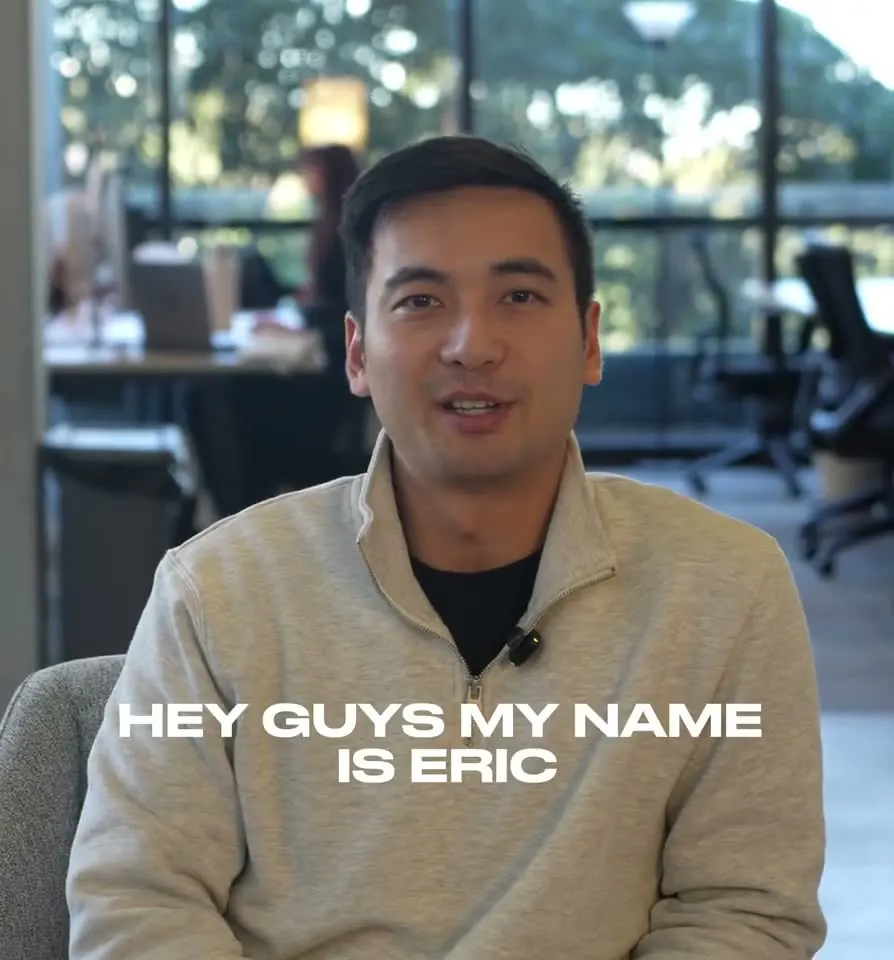
Video testimonial from Eric Fan, Founder and CEO, Lumos.
 Eric FanFounder and CEO, Lumos
Refract Group2026
Our operations software work is Keeyu, which helps large retailers manage everything that can go wrong after an order is placed, across multiple brands, sales channels and integrations. We designed the product from inside Keeyu’s team and built its design system in code. Our studio is in Sydney, Australia, and we work between Sydney and New York.
Where we stand on software with a lot of moving parts.
Entering credentials, checking permissions and importing records are different states. The interface should show which of those states the system is in.
Missing data, a validation error, an expired session, a return visit. Check whether the product explains what happened and how to recover.
Long names, old records, multiple teams and incomplete information. Each account state lets you examine something the others hide.
Compare what they mean. Does saving close the panel or keep it open? Where does validation appear?
One problem, a fixed length, and a working prototype in front of your users at the end. If it’s worth building, you’ll know. If it isn’t, you’ll know that cheaper.
Audit
An audit of the product or flow as it is
Prototype
A clickable prototype of the fix
Test
What your users did with it, in their words
Plan
A build plan and estimate, yours to keep
Video testimonial from Eric Fan, Founder and CEO, Lumos.
Eric FanFounder and CEO, Lumos“No really, I never thought we could ever have such an awesome website. I would see other brands and go, how did they do that. Now I know how: work with an awesome agency like Refract.”
 JevonFounder and CEO, Keeyu
Video testimonial from Helen Murdoch, Founder, DoughPro.
 Helen MurdochFounder, DoughPro
“Refract has killed it again. We call your team FEDEX because you always deliver!!”
 RohithCOO, Managed
Video testimonial from Natasha Ritz, VP of Customer, Chirp.
 Natasha RitzVP of Customer, Chirp
“Super proud of the vision, energy & distinctive taste that went into bringing our refreshed brand to life.”
 SejalGTM Lead, Trusst AI
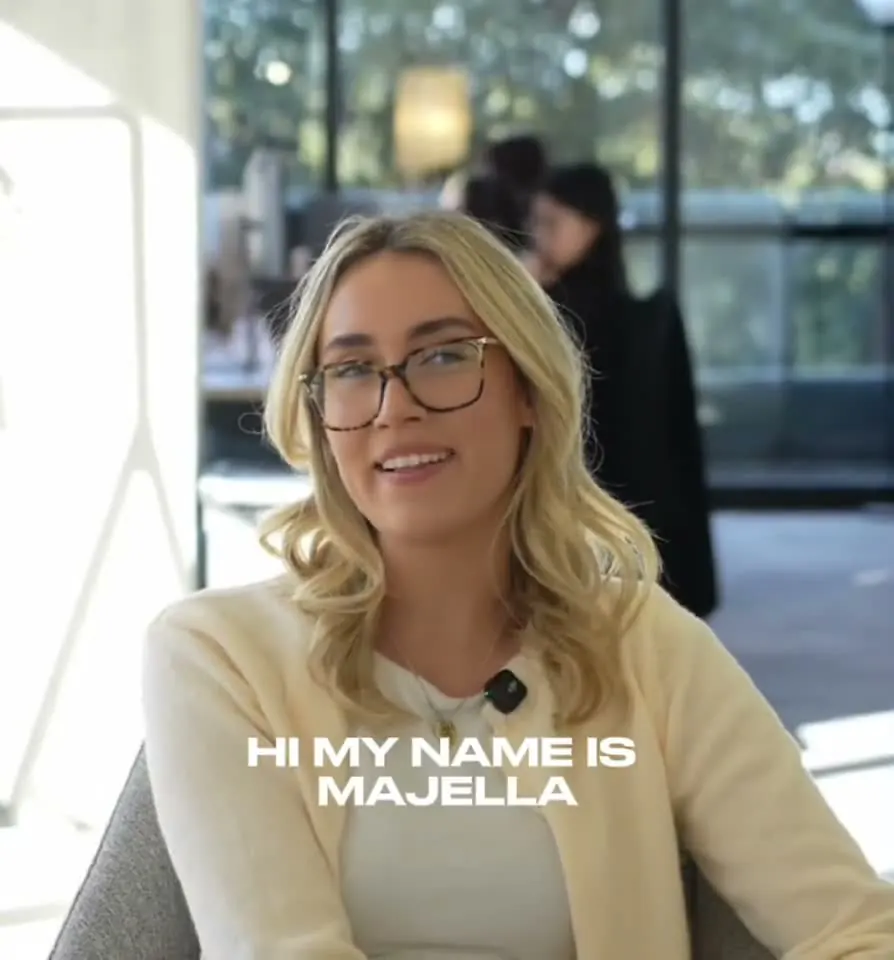
Video testimonial from Majella Campbell, Former CEO, Fishburners.
 Majella CampbellFormer CEO, Fishburners
“Love your work Team Refract. From the very first connection, you guys have been sparky and contemporary in your approach. I feel we're nicely walking that tightrope of pragmatism and creative cut through. Most of all...it's fun! THANK YOU for the journey travelled so far!”
 AndyVP Marketing, Morse Micro
Yes. Refract designed the product for Keeyu, which helps large retailers manage everything that can go wrong after an order is placed. Keeyu had raised its pre-seed round when we started. We worked inside its product and engineering team, designed the product and built its design system in code, and Keeyu’s engineers built the product. Our studio is in Sydney, Australia.
Yes. Refract is a studio in Sydney, Australia, and our operations software project is Keeyu. Its product handles multiple brands, sales channels, integrations and operational workflows, often all at once, and we designed it and built its design system in code. Product design starts from $10,000 a month.
Yes. Keeyu’s product covers the work after an order is placed, and Refract designed it from the real product. We looked for the patterns shared across its workflows: how progress is shown, how related information is grouped, how guidance appears and how people move between tasks without losing context. That gave Keeyu’s team shared building blocks to extend as new parts of the product took shape.
Yes. At Keeyu, Refract was embedded in the product team. We began in their staging environment, worked in weekly sessions with their product and engineering team, and reviewed decisions in staging with the engineers building the product. An embedded team costs $10,000 to $30,000 a month.
Refract brings each kind of user into the work. Managed, a property platform, puts renters, owners, agencies and tradespeople in one place, and we designed its product and built its design system in code. On Lumos, a platform for planning and booking out-of-home media, we spent time with planners, traders, engineers and the people fielding client questions, who helped us work out why the product behaved the way it did.
Yes. If you want to try working with Refract before a larger scope, there is one week of work for $2,500, credited in full against work that starts within 60 days. Product design starts from $10,000 a month.
Tell us what your product runs and who uses it every day.
Most teams start with a call, then a sprint or an audit.








The people you’d work with, from the first call to launch