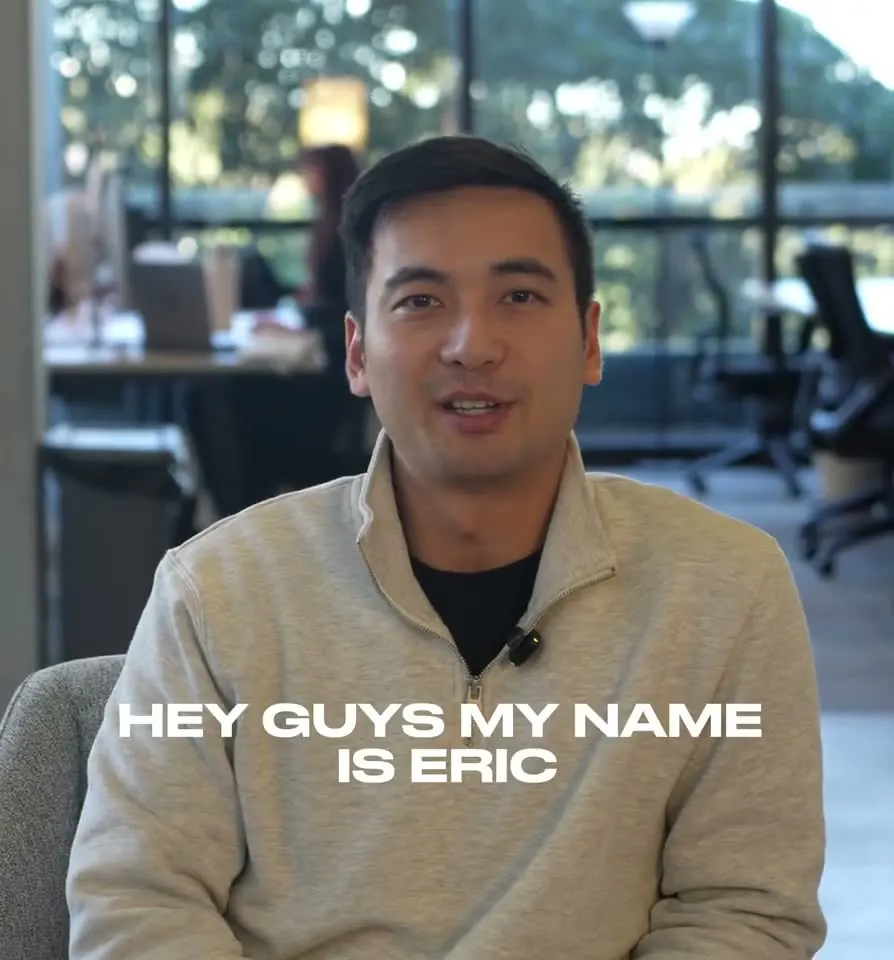
Video testimonial from Eric Fan, Founder and CEO, Lumos.
 Eric FanFounder and CEO, Lumos
Refract Group2026
Managed puts renters, owners, agencies and tradespeople in one place, and it sells through agencies who each want their own name on it. We designed an identity that steps aside when an agency’s colours arrive, then the product and its design system, which we built in code. Our studio is in Sydney, Australia, and we work between Sydney and New York.
Work in a SaaS product often passes between people. Each account state lets you examine something the others hide.
A disabled control should help someone understand the requirement or who can help.
That may be a much smaller task than the eventual product will support, but it needs an end.
The easy answer is to have no opinion, which is why so much property software looks like paperwork.
One problem, a fixed length, and a working prototype in front of your users at the end. If it’s worth building, you’ll know. If it isn’t, you’ll know that cheaper.
Audit
An audit of the product or flow as it is
Prototype
A clickable prototype of the fix
Test
What your users did with it, in their words
Plan
A build plan and estimate, yours to keep
Video testimonial from Eric Fan, Founder and CEO, Lumos.
Eric FanFounder and CEO, Lumos“Refract has killed it again. We call your team FEDEX because you always deliver!!”
 RohithCOO, Managed
Video testimonial from Helen Murdoch, Founder, DoughPro.
 Helen MurdochFounder, DoughPro
“No really, I never thought we could ever have such an awesome website. I would see other brands and go, how did they do that. Now I know how: work with an awesome agency like Refract.”
 JevonFounder and CEO, Keeyu
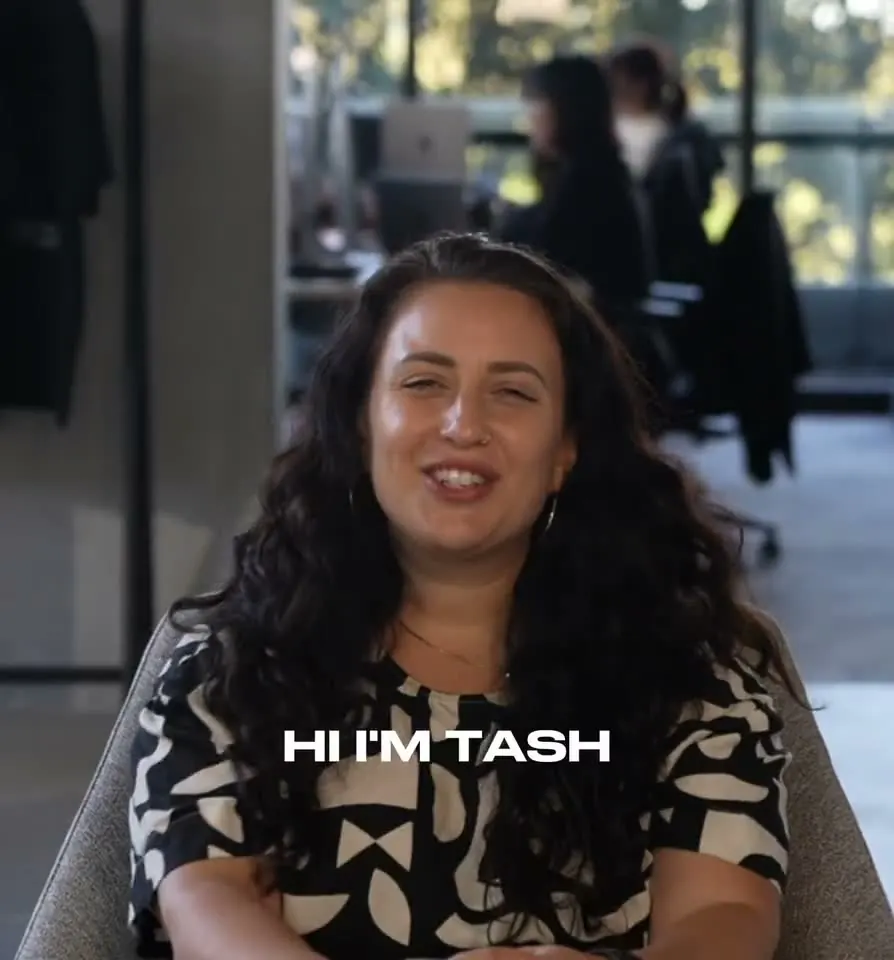
Video testimonial from Natasha Ritz, VP of Customer, Chirp.
 Natasha RitzVP of Customer, Chirp
“We love our new look and website. Thanks so much, your team smashed it.”
 PollyMarketing Specialist, Kaizn
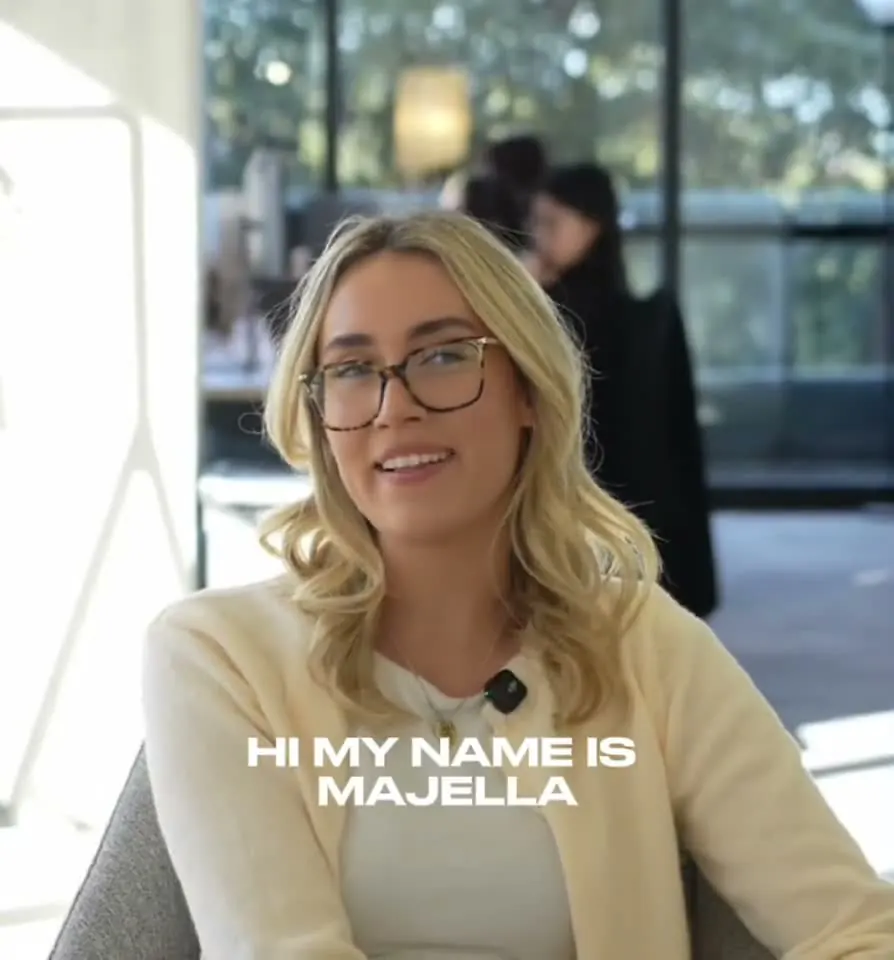
Video testimonial from Majella Campbell, Former CEO, Fishburners.
 Majella CampbellFormer CEO, Fishburners
“Super proud of the vision, energy & distinctive taste that went into bringing our refreshed brand to life.”
 SejalGTM Lead, Trusst AI
Yes. Refract designs property software and the brands around it. For Managed, a property platform for renters, owners, agencies and tradespeople, which had raised its seed round when we started, we designed the product, built its design system in code and designed a brand that steps aside for each agency’s own. Our studio is in Sydney, Australia.
Yes. Refract is a studio in Sydney, Australia, and we work between Sydney and New York. Our property work is Managed, which puts rent and bills, tasks, compliance certificates and the money itself in one place instead of four inboxes and a spreadsheet. We designed the product and the brand, and built its design system in code. Product design starts from $10,000 a month.
Yes. Managed sells through agencies, and every agency wants its own name on it. Refract split the brand in two: the purple, the mark and the illustrations run wherever Managed speaks under its own name, and inside the product the colours belong to the agency, so a renter logs in and sees their agency.
For Managed, Refract drew renting as an ordinary day. Renting is usually drawn as a problem: paperwork, queues, chasing someone for money. The illustrations show renters, agents and landlords carrying on with their day, because that is what the product does for them, and the colour, the objects and the type are there to make renting feel light and a little fun.
For Managed, Refract designed the product and built its design system in code, and the product itself was built on Managed’s side. We do engineering as well: Prism, our own product, is one we designed and built. An embedded team costs from $10,000 to $30,000 a month.
Tell us who uses it and where they get stuck.
Most teams start with a call, then a sprint or an audit.








The people you’d work with, from the first call to launch